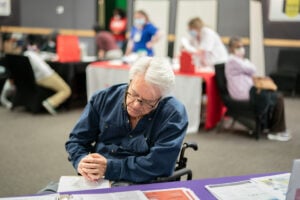


Disability Healthcare Resource Hub
Welcome to Able SC’s Disability Healthcare resource hub, designed to improve healthcare access and quality for people with disabilities.
These materials were written by people with disabilities. Rooted in lived experience and self-advocacy, this hub bridges the gap between clinical intent and patient reality.
Why This Matters
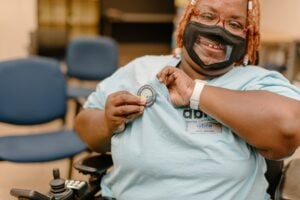
Healthcare systems have a long history of focusing on "fixing" bodies rather than supporting people. When providers make assumptions about a patient's ability or independence, it builds barriers and causes harm.
Disabilities are a natural part of human diversity. People with disabilities are the experts of their own lives, fully capable of making informed choices and directing their own care.
Our Goals
By centering lived experiences and providing accessible care, healthcare providers can:
- Improve Health Outcomes: Deliver more accurate, responsive care.
- Promote Dignity: Respect patients as the directors of their own health journeys.
- Uphold Civil Rights: Maintain compliance with legal protections like the ADA, Section 504, and the ACA.
- Prevent Medical Trauma: Break cycles of harm and restore trust.
- Advance Health Equity: Drive justice for a historically marginalized community.
We invite you to explore these resources; ready to listen, learn, and grow your practice to welcome every patient with the dignity they deserve!
- Accessible, Inclusive and Equitable Healthcare for People with Disabilities
- Practical Tools for Accessible and Respectful Care
- Understanding Blindness and Low Vision
- Understanding Cognitive Disability
- Understanding Communication Disabilities
- Understanding Deafness and Hearing Loss
- Understanding Intellectual and Developmental Disabilities
- Understanding Physical and Mobility Disabilities
- Understanding Psychiatric Disabilities
- Disability Rights Laws in Healthcare Access
Programs
Latest News
Messages from our CEO: Kickin’ It with Kimberly It’s essential to us…
Messages from our CEO: Kickin’ It with Kimberly It’s essential to us…
A Partnership for Inclusion
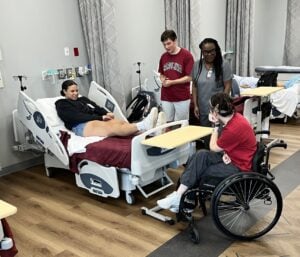
Able SC, the University of South Carolina College of Nursing, and the National Organization of Nurses with Disabilities (NOND) have partnered to transform healthcare. Together, we are working to radically improve care for patients with disabilities while actively recruiting, training, and retaining disabled professionals in the healthcare workforce.
The Power of Nursing
Nurses are at the heart of systemic change. While no single modification fits every need, small shifts can completely transform a patient's experience. By bringing more nurses with disabilities into the workforce, we can accelerate this vital shift across the entire healthcare system.
Take Your Program to the Next Level
Want to make your healthcare education program truly accessible and welcoming?
We invite you to use these foundational resources, entirely prepared by people with disabilities. Built on authentic lived experience, these tools will help you upgrade your curriculum, remove barriers, and lead the way in inclusive education.
- Preparing Nursing Students for Disability-Inclusive Healthcare Best Practices & Curricular Content
- Peer Mentorship Program Guide
- Inclusive Nursing Education & Clinical Accommodation Guidance: Insights From A Center For Independent Living
- Replication Toolkit, The Vital Role of Centers for Independent Living in Healthcare Reform
Making healthcare truly accessible takes more than good intentions—it takes action. By using these guides in your classrooms and clinics, you are doing more than following the law. You are showing true respect for the knowledge and rights of people with disabilities. Thank you for working to improve healthcare education, support disabled professionals, and make sure every patient gets the inclusive, respectful care they deserve. Together, we can build a healthcare future where every voice and every body is included and valued.