

Public Health Programs and Services
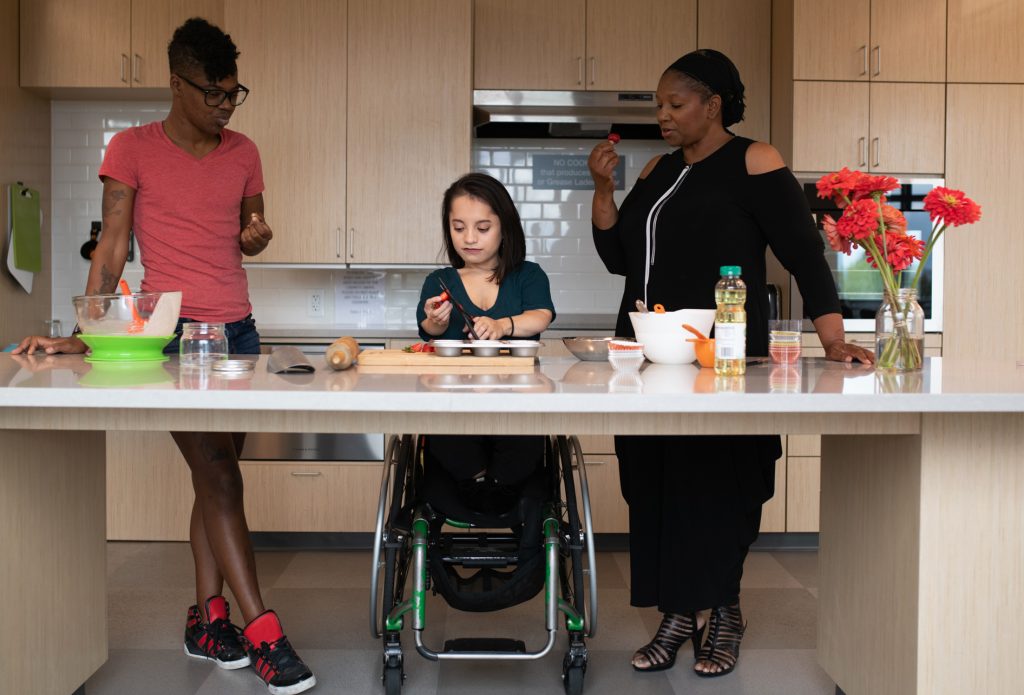
Able SC works to make sure people with disabilities are included in public health programs and services. We build strong partnerships at the state and national levels to help public health systems better understand and address the needs of the disability community. We also provide direct community support to give people with disabilities the information, tools, and resources they need to stay healthy and live active, independent lives.
In 2025, Able SC surveyed disabled people across South Carolina about their healthcare experiences. The survey confirmed what our community already knows: getting healthcare in South Carolina is hard to access, hard to navigate, and too expensive for many disabled people.
Healthcare Resources created by People with Disabilities for People with Disabilities
SC Disability Public Health Taskforce
Mission: To improve health outcomes for South Carolinians with disabilities through partnerships, public education, and system changes.
The SC Disability Public Health Taskforce was established in 2023 to create partnerships and agreements with public health and wellness programs throughout South Carolina. The task force aims to ensure people with disabilities are included in all program areas. The goal is to reduce and prevent barriers to care experienced by people with disabilities. The task force is building strong connections between disability organizations and the agencies that manage public health responses in our state.
Those interested in learning more about or joining the taskforce are invited to contact Able SC Director of Public Health and Disability Integration, Mandy Halloran, at mhalloran@able-sc.org.
Task Force Minutes: Link coming soon!
This program was launched with funds provided by the Administration for Community Living.
A Bridge to Belonging
Launched in 2025, A Bridge to Belonging is a program designed by Able SC to close the gap in mental health services for people with intellectual and developmental disabilities (ID/DD). Too often, people with ID/DD experience high rates of mental health difficulties but face barriers to care such as limited access to providers, communication that is not accessible, and support systems that are not designed for their needs.
This program changes that by:
- Creating a peer support initiative where people with ID/DD can connect, learn self-advocacy skills, and strengthen their emotional well-being.
- Training and certifying more peer support specialists through an adapted curriculum that reflects the needs of the ID/DD community.
- Building a collaborative system of care through a partnership between Able SC, SC Share, and the USC Center for Mental Health and Sport (USC-MHS).
Together, these organizations are building a stronger, more inclusive network of mental health support in South Carolina.
This program is funded by the South Carolina Developmental Disabilities Council.
HeroX Health Disparity Challenge
Launched in 2025, the HeroX Health Disparity Challenge addressed healthcare barriers by integrating disability training into nursing education and hospital systems. This initiative, led by people with disabilities, partnered with the University of South Carolina College of Nursing, Lexington Medical Center, and the National Organization of Nurses with Disabilities (NOND) to ensure nursing providers are prepared to care for patients with disabilities.
- Education & Training: We created nursing curricula in collaboration with educators and nurses with disabilities, offering modules on disability laws, healthcare access, and practical support tools. Faculty and staff workshops focused on disability history and the social factors that impacted health outcomes.
- Policy & Systems Change: We worked with educators to review and update policies, improving access to communication, transportation, and physical accessibility. We also provided staff training to improve interactions with patients with disabilities.
- National Model: To ensure long-term impact, we developed curricula, training models, and manuals that could be used across the country. Leaders with disabilities were responsible for the design and delivery of these materials.
Through this approach, Able SC is improving nursing education and healthcare in South Carolina by centering the real experiences and expertise of the disability community.
The HeroX effort was funded by the National Institutes of Health and the Administration for Community Living.
Pathways for Disability Inclusion in the Nursing Workforce
The Pathways project addresses the small number of people with disabilities working in nursing. In South Carolina, 30% of adults report having a disability, yet people with disabilities make up only 4.2% of healthcare practitioners. Pathways for Disability Inclusion aims to increase these numbers by creating a clear career path from high school to employment, while addressing the specific obstacles and misconceptions that keep people with disabilities out of the nursing profession.
A central part of this effort is NursAbility, a summer immersion program hosted at the University of South Carolina each year. This program provides students with disabilities with the opportunity to gain direct experience and explore nursing as a workable career path.
Partners:
- University of South Carolina, College of Nursing (USC-CON)
- National Organization of Nurses with Disabilities (NOND)
- Lexington Medical Center (LMC)
By creating this structured pathway and providing early exposure through NursAbility, the project builds a nursing workforce that reflects the community and improves patient care through the first-hand experience and skills that nurses with disabilities provide. This initiative serves as a model that can be used across the country to include people with disabilities in education and employment systems to strengthen healthcare outcomes.
The Pathways project is funded by The Duke Endowment.
Stretch 2.0: Pathways to Public Health Equity and Access for South Carolinians with Disabilities
The Center for Disease Control Foundation (CDCF) Stretch program was launched in early 2024 to create a partnership between Able SC, the South Carolina Department of Public Health, and the CDC Foundation. The goal of this grant was to identify and resolve gaps in healthcare access that affect people with disabilities in South Carolina.
The SC Stretch partners work toward a South Carolina where healthcare is accessible to everyone. Through the collaboration between Able SC and the South Carolina Department of Public Health, we worked to remove obstacles and improve healthcare systems to better serve the needs of individuals with disabilities. Our shared goal is a future where every South Carolinian can receive quality care and be active members of their community.
The Robert Wood Johnson Foundation funded the Stretch 2.0 project.
Solutions to Healthcare Access & Quality
Launched in 2025, Solutions to Healthcare Access & Quality (SHAQ) is a three-year initiative led by members of the Intellectual and Developmental (IDD) community to improve healthcare systems and care delivery.
Key Objectives:
- Community-Led Curriculum: Adults with IDD and disability advocates are co-creating a healthcare curriculum to ensure high-quality care is delivered with respect and a greater understanding of the IDD community.
- Professional Training: In partnership with the University of South Carolina, Lexington Medical Center, and others, the project will train over 500 healthcare professionals to deliver high-quality, inclusive care.
- System Integration: SHAQ is working with medical schools and hospitals to embed this curriculum into their permanent educational and clinical programs.
- Policy Reform: Able SC is working with healthcare providers and systems to revise policies that limit equitable care for people with disabilities.
- National Model: By Year 3, the project will establish a scalable infrastructure to allow these improvements to be replicated nationwide.
The WITH Foundation is funding the SHAQ initiative.